

Healthcare & Life Sciences
Mission-Critical Tele-Healthcare Modernization
Our Client’s Backstory
Our client is a tele-healthcare startup dedicated to bridging the gap between traditional primary care and virtual medicine through advanced "Care Stations." These physical pods are equipped with diagnostic hardware, high-definition cameras, and real-time audio systems, enabling remote practitioners to conduct medical exams in underserved communities. Managing a complex hybrid ecosystem—including Windows-based WPF applications for hardware orchestration and a provider-side consultation dashboard—the client required a technical partner to stabilize and scale their infrastructure.

The Challenges
As the platform transitioned from a prototype to a high-scale clinical tool, it faced architectural and operational bottlenecks. Key challenges included:
Hardware Heterogeneity: Managing multiple generations of diagnostic hardware connected via serial bus, with no standardized protocol for backward compatibility or command versioning.
Asynchronous Communication Fragility: A lack of message queuing between Care Stations and backend services led to potential data loss and reduced system reliability.
Legacy Provider UX: A provider-side dashboard built on outdated architecture that struggled with real-time call routing, transfers, and status management.
Operational Blind Spots: Inadequate centralized logging and monitoring made it difficult to diagnose field issues, resulting in high Mean Time to Resolution (MTTR).
Engineering Lifecycle Friction: Manual deployment processes and a lack of automated regression testing increased release risk and slowed feature velocity.
The Solution
Klika spearheaded a multi-phase modernization of the platform, focusing on architectural resilience, hardware abstraction, and observability. Our solution included
Flexible Hardware Abstraction Layer
Engineered a capability-based versioning architecture that allows the platform to dynamically support various station configurations and firmware versions without breaking legacy compatibility.
High-Availability Messaging Infrastructure
Developed a RabbitMQ-based messaging layer with dead-letter handling and retry mechanisms to ensure mission-critical medical data is never lost.
Modernized Consultation Dashboard
Redesigned the provider interface using a component-based architecture and Kendo UI, integrating Amazon Chime for high-definition audio/video and round-robin call assignment.
Full-Stack Observability Suite
Integrated Datadog across the entire platform, implementing domain-level data collectors to monitor real-time call lifecycles and device health.
Standardized CI/CD Pipelines
Overhauled the development lifecycle by implementing automated build pipelines, a structured branching strategy, and regression testing frameworks.
Infrastructure as Code (IaC)
Utilized Terraform to automate the provisioning and management of the client’s AWS-based healthcare infrastructure.
The Solution
Klika spearheaded a multi-phase modernization of the platform, focusing on architectural resilience, hardware abstraction, and observability. Our solution included
Flexible Hardware Abstraction Layer
Engineered a capability-based versioning architecture that allows the platform to dynamically support various station configurations and firmware versions without breaking legacy compatibility.
High-Availability Messaging Infrastructure
Developed a RabbitMQ-based messaging layer with dead-letter handling and retry mechanisms to ensure mission-critical medical data is never lost.
Modernized Consultation Dashboard
Redesigned the provider interface using a component-based architecture and Kendo UI, integrating Amazon Chime for high-definition audio/video and round-robin call assignment.
Full-Stack Observability Suite
Integrated Datadog across the entire platform, implementing domain-level data collectors to monitor real-time call lifecycles and device health.
Standardized CI/CD Pipelines
Overhauled the development lifecycle by implementing automated build pipelines, a structured branching strategy, and regression testing frameworks.
Infrastructure as Code (IaC)
Utilized Terraform to automate the provisioning and management of the client’s AWS-based healthcare infrastructure.
The Solution
Klika spearheaded a multi-phase modernization of the platform, focusing on architectural resilience, hardware abstraction, and observability. Our solution included
Flexible Hardware Abstraction Layer
Engineered a capability-based versioning architecture that allows the platform to dynamically support various station configurations and firmware versions without breaking legacy compatibility.
High-Availability Messaging Infrastructure
Developed a RabbitMQ-based messaging layer with dead-letter handling and retry mechanisms to ensure mission-critical medical data is never lost.
Modernized Consultation Dashboard
Redesigned the provider interface using a component-based architecture and Kendo UI, integrating Amazon Chime for high-definition audio/video and round-robin call assignment.
Full-Stack Observability Suite
Integrated Datadog across the entire platform, implementing domain-level data collectors to monitor real-time call lifecycles and device health.
Standardized CI/CD Pipelines
Overhauled the development lifecycle by implementing automated build pipelines, a structured branching strategy, and regression testing frameworks.
Infrastructure as Code (IaC)
Utilized Terraform to automate the provisioning and management of the client’s AWS-based healthcare infrastructure.
The Solution
Klika spearheaded a multi-phase modernization of the platform, focusing on architectural resilience, hardware abstraction, and observability. Our solution included
Flexible Hardware Abstraction Layer
Engineered a capability-based versioning architecture that allows the platform to dynamically support various station configurations and firmware versions without breaking legacy compatibility.
High-Availability Messaging Infrastructure
Developed a RabbitMQ-based messaging layer with dead-letter handling and retry mechanisms to ensure mission-critical medical data is never lost.
Modernized Consultation Dashboard
Redesigned the provider interface using a component-based architecture and Kendo UI, integrating Amazon Chime for high-definition audio/video and round-robin call assignment.
Full-Stack Observability Suite
Integrated Datadog across the entire platform, implementing domain-level data collectors to monitor real-time call lifecycles and device health.
Standardized CI/CD Pipelines
Overhauled the development lifecycle by implementing automated build pipelines, a structured branching strategy, and regression testing frameworks.
Infrastructure as Code (IaC)
Utilized Terraform to automate the provisioning and management of the client’s AWS-based healthcare infrastructure.
The Solution
Klika spearheaded a multi-phase modernization of the platform, focusing on architectural resilience, hardware abstraction, and observability. Our solution included
Flexible Hardware Abstraction Layer
Engineered a capability-based versioning architecture that allows the platform to dynamically support various station configurations and firmware versions without breaking legacy compatibility.
High-Availability Messaging Infrastructure
Developed a RabbitMQ-based messaging layer with dead-letter handling and retry mechanisms to ensure mission-critical medical data is never lost.
Modernized Consultation Dashboard
Redesigned the provider interface using a component-based architecture and Kendo UI, integrating Amazon Chime for high-definition audio/video and round-robin call assignment.
Full-Stack Observability Suite
Integrated Datadog across the entire platform, implementing domain-level data collectors to monitor real-time call lifecycles and device health.
Standardized CI/CD Pipelines
Overhauled the development lifecycle by implementing automated build pipelines, a structured branching strategy, and regression testing frameworks.
Infrastructure as Code (IaC)
Utilized Terraform to automate the provisioning and management of the client’s AWS-based healthcare infrastructure.
The Result
The modernization transformed the platform into an enterprise-grade tele-healthcare product, significantly improving clinical workflows and system reliability.
Accelerated Feature Velocity
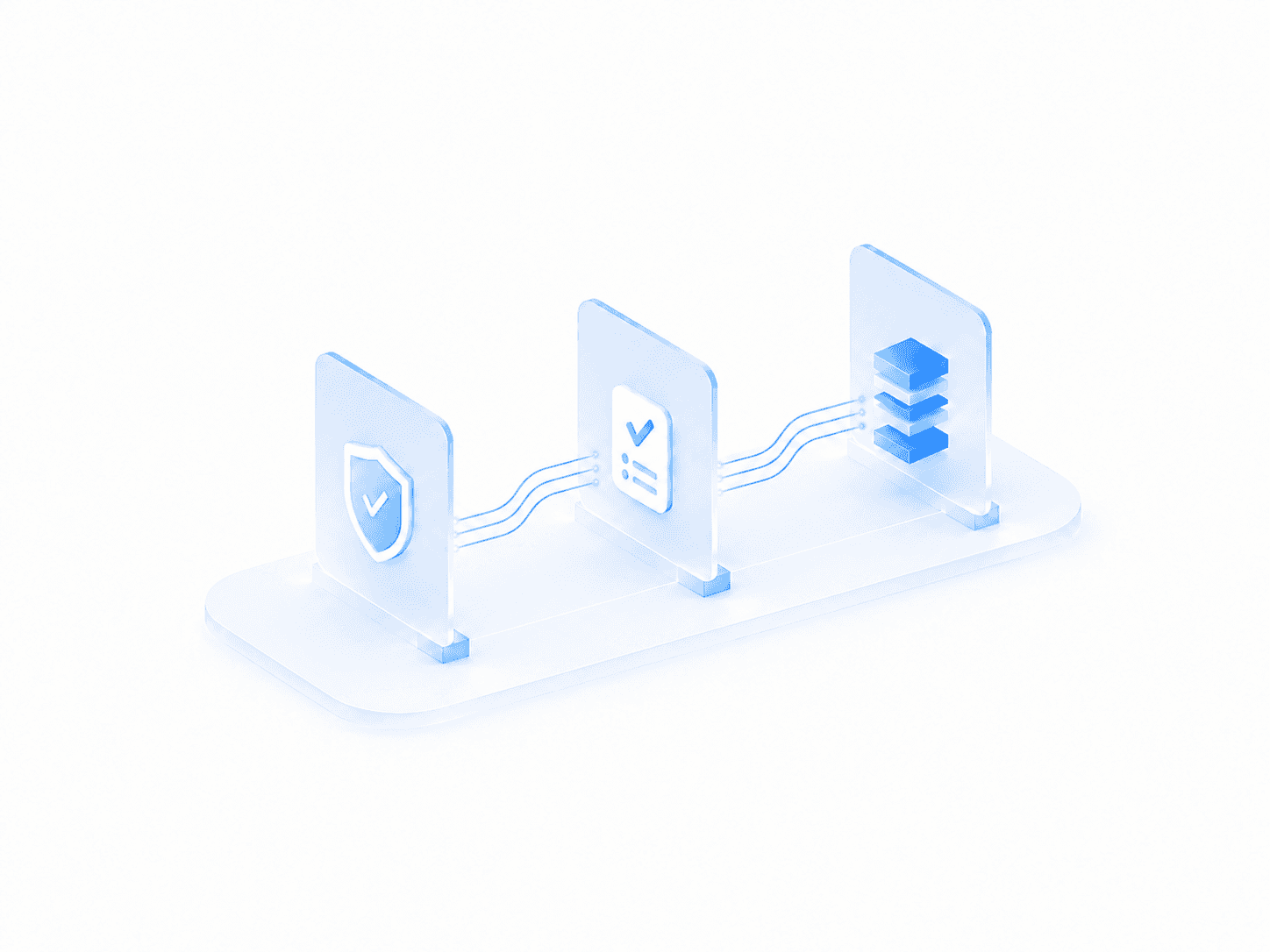
Standardized CI/CD pipelines and automated testing reduced release risk and improved the predictability of new deployments.
Seamless Hardware Scalability
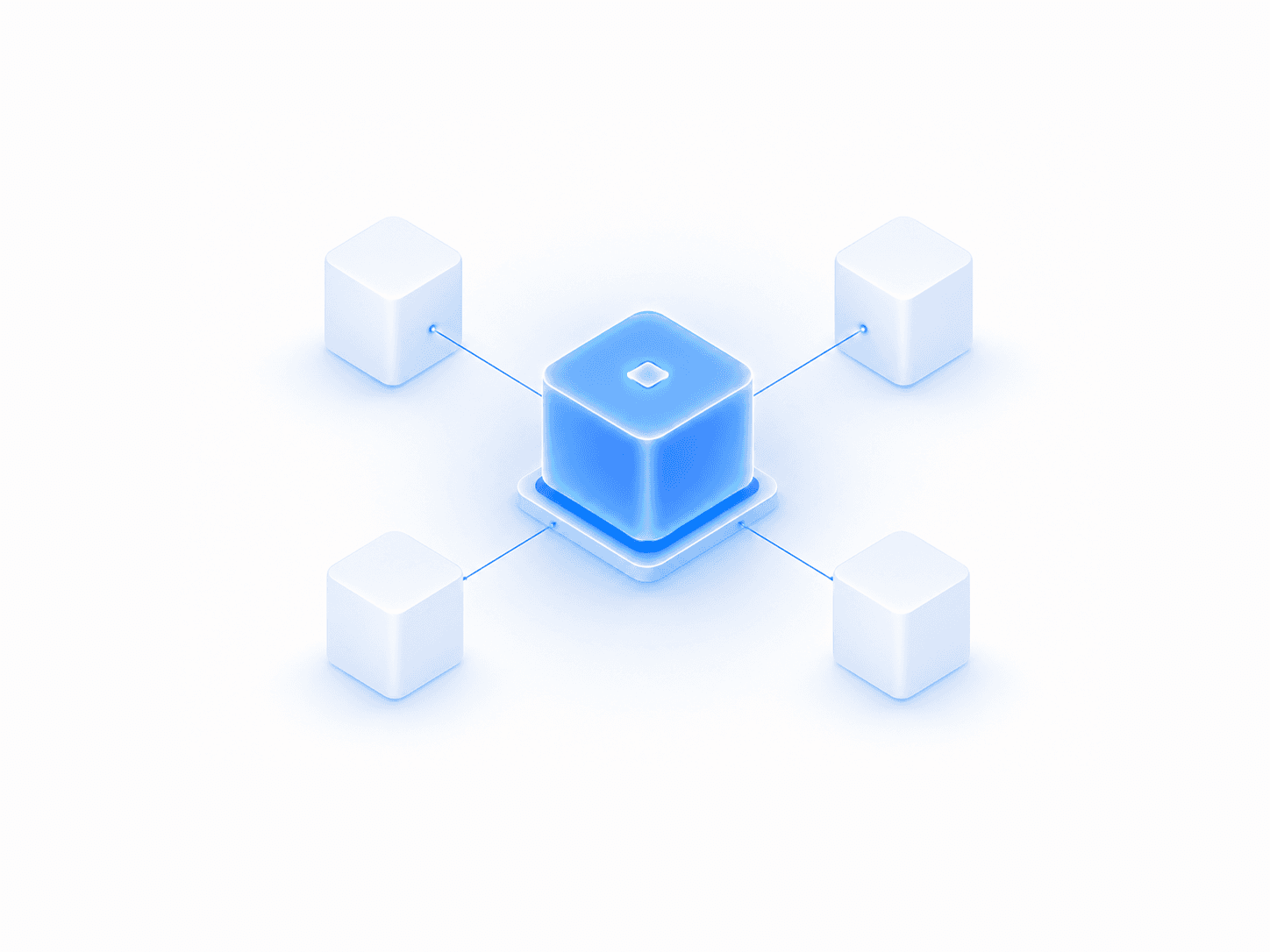
The new abstraction layer allows the client to deploy new diagnostic hardware revisions across the fleet without disrupting active Care Stations.
Optimized Clinical Workflow
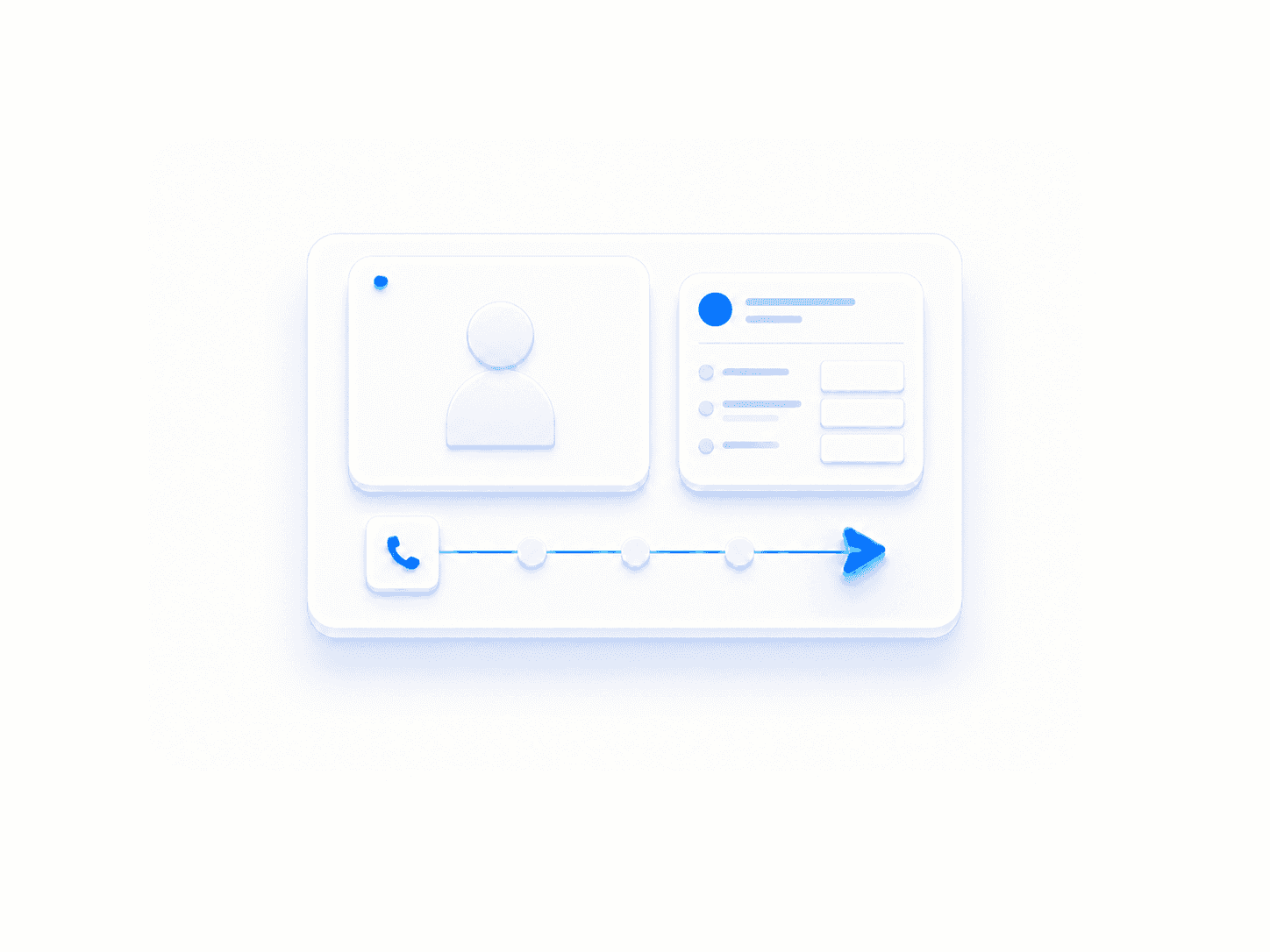
The redesigned provider dashboard reduced friction for practitioners, enabling faster call routing and clearer patient status tracking.
Drastic Reduction in MTTR
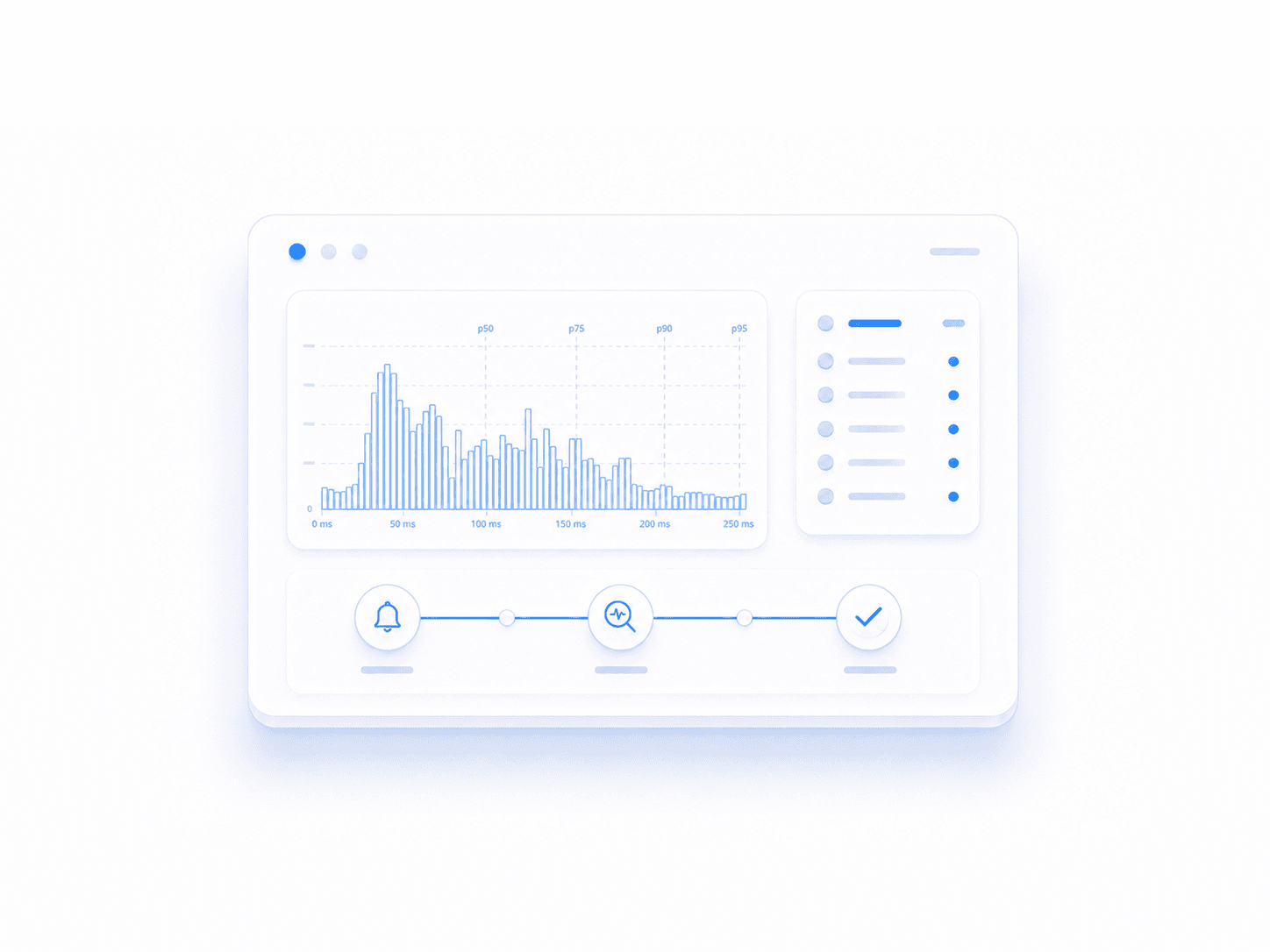
Real-time observability through Datadog provided the engineering team with the visibility needed to diagnose and resolve field issues rapidly.
Enterprise-Grade Resilience
The architectural shift to decoupled messaging and modernized frontends provided a scalable foundation for global expansion.
The Result
The modernization transformed the platform into an enterprise-grade tele-healthcare product, significantly improving clinical workflows and system reliability.
Accelerated Feature Velocity
Standardized CI/CD pipelines and automated testing reduced release risk and improved the predictability of new deployments.
Seamless Hardware Scalability
The new abstraction layer allows the client to deploy new diagnostic hardware revisions across the fleet without disrupting active Care Stations.
Optimized Clinical Workflow
The redesigned provider dashboard reduced friction for practitioners, enabling faster call routing and clearer patient status tracking.
Drastic Reduction in MTTR
Real-time observability through Datadog provided the engineering team with the visibility needed to diagnose and resolve field issues rapidly.
Enterprise-Grade Resilience
The architectural shift to decoupled messaging and modernized frontends provided a scalable foundation for global expansion.
The Result
The modernization transformed the platform into an enterprise-grade tele-healthcare product, significantly improving clinical workflows and system reliability.
Accelerated Feature Velocity
Standardized CI/CD pipelines and automated testing reduced release risk and improved the predictability of new deployments.
Seamless Hardware Scalability
The new abstraction layer allows the client to deploy new diagnostic hardware revisions across the fleet without disrupting active Care Stations.
Optimized Clinical Workflow
The redesigned provider dashboard reduced friction for practitioners, enabling faster call routing and clearer patient status tracking.
Drastic Reduction in MTTR
Real-time observability through Datadog provided the engineering team with the visibility needed to diagnose and resolve field issues rapidly.
Enterprise-Grade Resilience
The architectural shift to decoupled messaging and modernized frontends provided a scalable foundation for global expansion.
The Result
The modernization transformed the platform into an enterprise-grade tele-healthcare product, significantly improving clinical workflows and system reliability.
Accelerated Feature Velocity
Standardized CI/CD pipelines and automated testing reduced release risk and improved the predictability of new deployments.
Seamless Hardware Scalability
The new abstraction layer allows the client to deploy new diagnostic hardware revisions across the fleet without disrupting active Care Stations.
Optimized Clinical Workflow
The redesigned provider dashboard reduced friction for practitioners, enabling faster call routing and clearer patient status tracking.
Drastic Reduction in MTTR
Real-time observability through Datadog provided the engineering team with the visibility needed to diagnose and resolve field issues rapidly.
Enterprise-Grade Resilience
The architectural shift to decoupled messaging and modernized frontends provided a scalable foundation for global expansion.
The Result
The modernization transformed the platform into an enterprise-grade tele-healthcare product, significantly improving clinical workflows and system reliability.
Accelerated Feature Velocity
Standardized CI/CD pipelines and automated testing reduced release risk and improved the predictability of new deployments.
Seamless Hardware Scalability
The new abstraction layer allows the client to deploy new diagnostic hardware revisions across the fleet without disrupting active Care Stations.
Optimized Clinical Workflow
The redesigned provider dashboard reduced friction for practitioners, enabling faster call routing and clearer patient status tracking.
Drastic Reduction in MTTR
Real-time observability through Datadog provided the engineering team with the visibility needed to diagnose and resolve field issues rapidly.
Enterprise-Grade Resilience
The architectural shift to decoupled messaging and modernized frontends provided a scalable foundation for global expansion.
Technology Stack
React
.NET (WPF)
Python
AWS
RabbitMQ
Datadog
Amazon Chime
Kendo UI
Terraform
Technology Stack
React
.NET (WPF)
Python
AWS
RabbitMQ
Datadog
Amazon Chime
Kendo UI
Terraform
Technology Stack
React
.NET (WPF)
Python
AWS
RabbitMQ
Datadog
Amazon Chime
Kendo UI
Terraform
More Insights

Healthcare & Life Sciences
Cloud Sovereignty & Web Conversion Optimization
Klika implemented a strategy focused on infrastructure sovereignty, security hardening, and the elimination of purchasing friction.

Healthcare & Life Sciences
IoT Firmware for Smart Bed Innovation
The team deployed an engineering team to architect a scalable firmware ecosystem and an automated testing framework.

Healthcare & Life Sciences
Unified BI Cloud PaaS for Global Retail
Klika was engaged as the technical partner to architect and deploy a production-grade BI cloud platform.
Healthcare & Life Sciences
Cloud Sovereignty & Web Conversion Optimization
Klika implemented a strategy focused on infrastructure sovereignty, security hardening, and the elimination of purchasing friction.
Healthcare & Life Sciences
IoT Firmware for Smart Bed Innovation
The team deployed an engineering team to architect a scalable firmware ecosystem and an automated testing framework.
Let’s Talk About What Comes Next
Start a conversation with a team that helps you make the right call before committing.
Let’s Talk About What Comes Next
Start a conversation with a team that helps you make the right call before committing.
Let’s Talk About What Comes Next
Start a conversation with a team that helps you make the right call before committing.
Let’s Talk About What Comes Next
Start a conversation with a team that helps you make the right call before committing.
Techtonic Newsletter
Subscribe to our newsletter to keep up with the latest news from the world of technology and AI.
Certifications & Awards
27001


© 2026 Klika LLC
Techtonic Newsletter
Subscribe to our newsletter to keep up with the latest news from the world of technology and AI.
Certifications & Awards
27001
© 2026 Klika LLC
Techtonic Newsletter
Subscribe to our newsletter to keep up with the latest news from the world of technology and AI.
Certifications & Awards
27001
© 2026 Klika LLC
Techtonic Newsletter
Subscribe to our newsletter to keep up with the latest news from the world of technology and AI.
Certifications & Awards
27001
© 2026 Klika LLC